

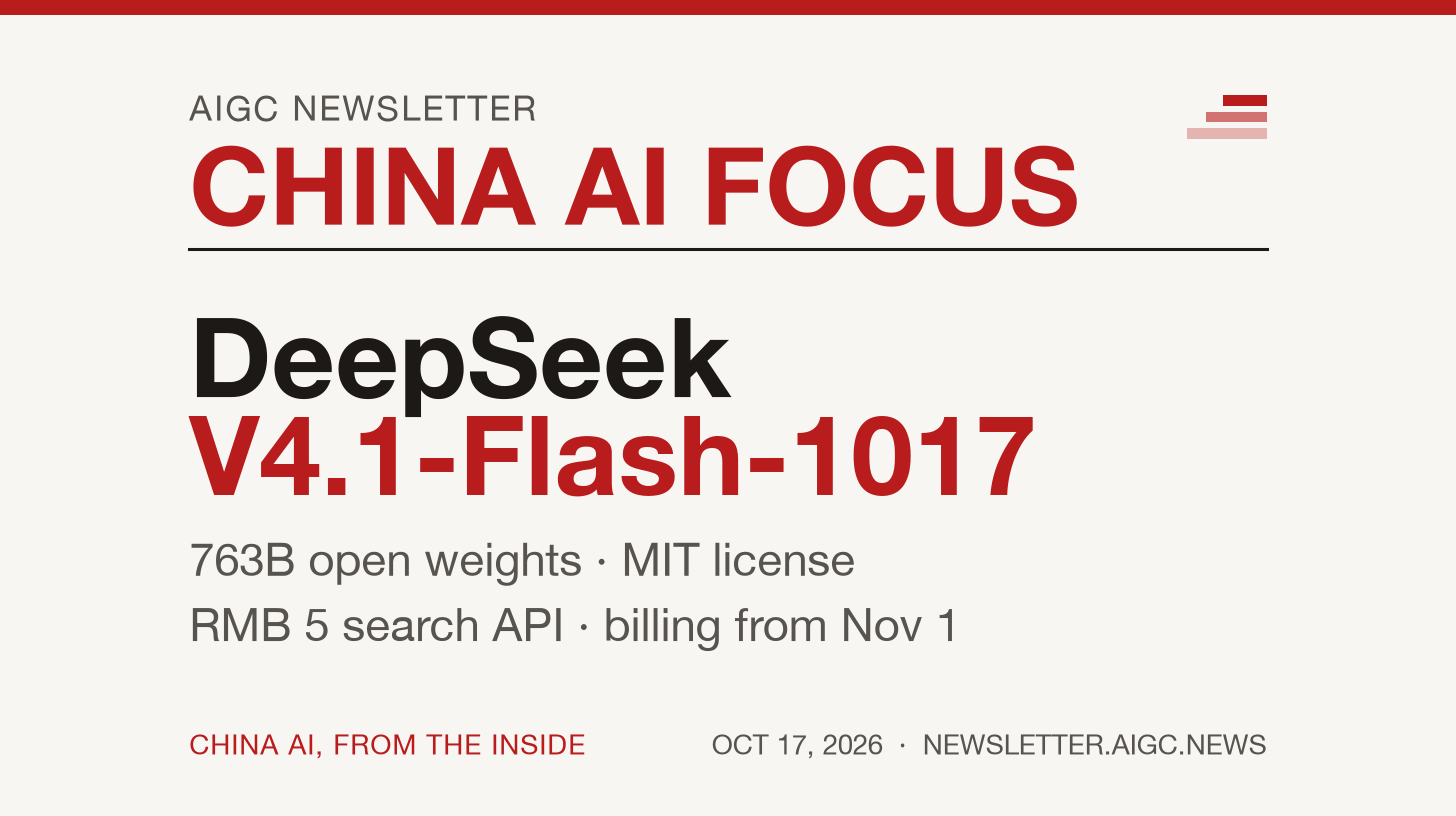
Editor’s note. This is the first post in China AI Focus, our deep-dive column on Chinese AI from primary sources. The deal here is simple: every fact links to first-party evidence, every judgment is labeled as ours, and every viral claim gets checked against the primary source before we repeat it. We normally publish midweek; this one ships today because DeepSeek published the announcement this morning (October 17, 2026), and one detail in it has a hard deadline attached.
What happened, verified
Everything in this section comes from DeepSeek’s own release notes and model card — first-party, published October 17, 2026.
1. The model. DeepSeek updated its Flash line to V4.1-Flash-1017, live simultaneously across web, app, and API. The “Flash” name does not mean small: the model card lists 763B total parameters in mixed precision and a 1M-token context window (max output ≥256K), released under an MIT license. The company reports shorter task runtimes and shorter outputs versus the previous Flash — cost falls twice: better performance per token, and fewer tokens per task. The release claims a “new performance–cost Pareto optimum” across several agent harnesses, with specific tuning for DeepSeek Harness, Tencent’s CodeBuddy , and WorkBuddy. DeepSeek recommends upgrading to DeepSeek Harness 0.2.1-rc.1 or later.
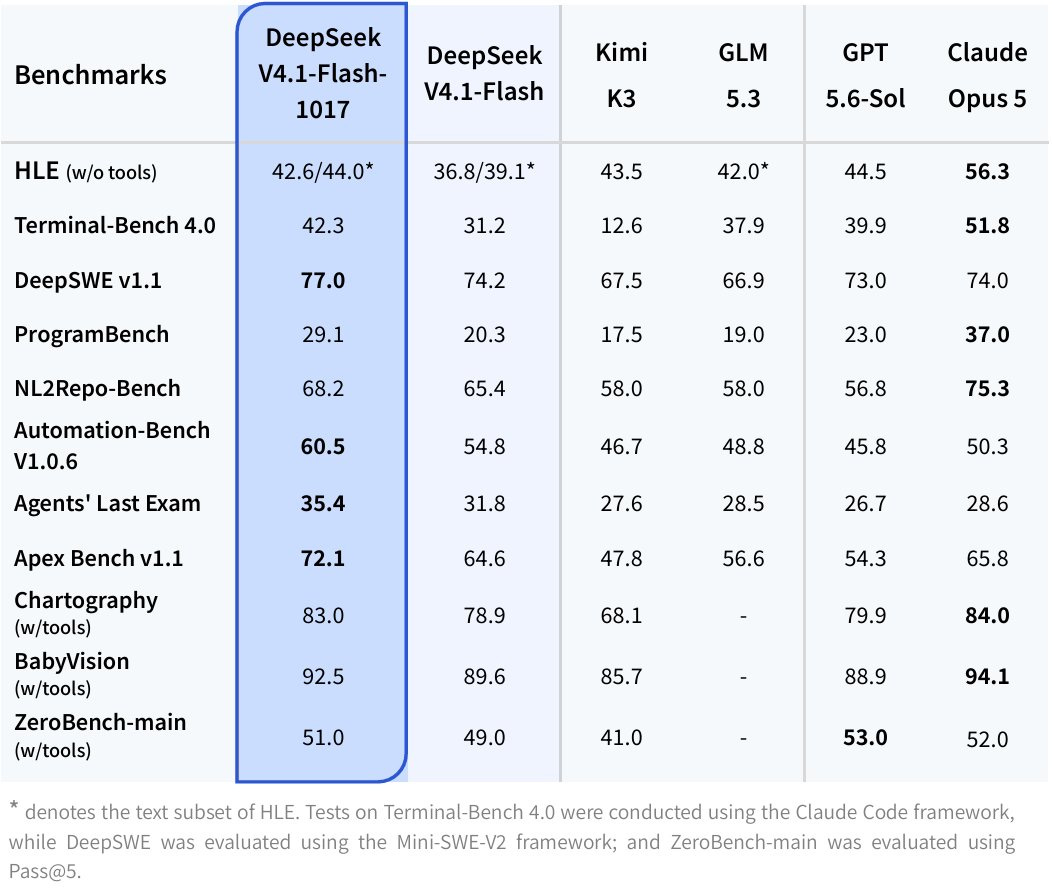
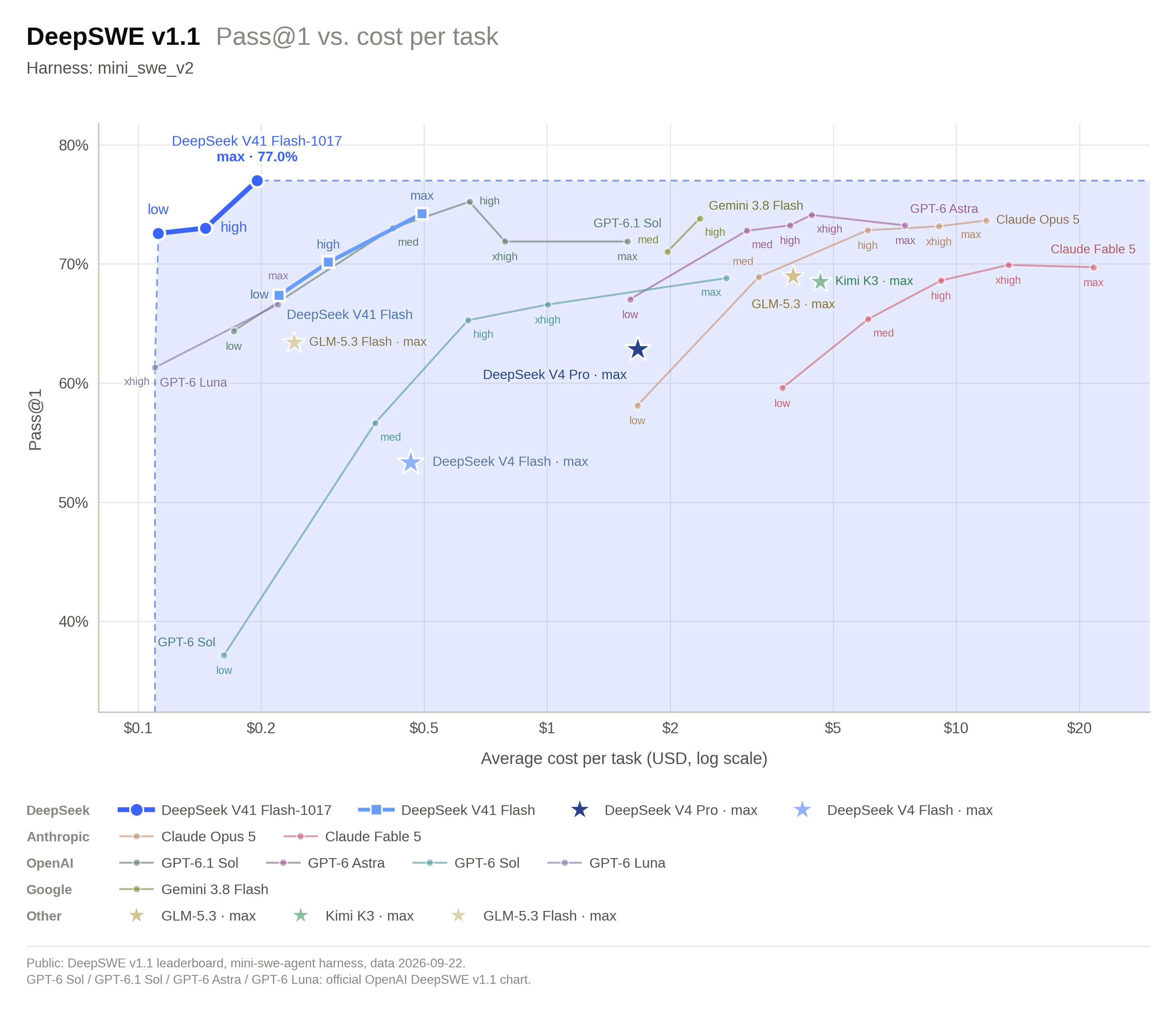
2. The benchmark table — company-reported, and more interesting than the hype. DeepSeek’s own model card scores the new Flash at 77.0 on DeepSWE v1.1 (prior Flash: 74.2) and 42.3 on Terminal-Bench 4.0 (prior: 31.2). The same table puts it ahead of GLM-5.3 (66.9) and GPT-5.6 Sol (73.0) on DeepSWE — and ahead of Opus 5 (74.0) there too. But on Terminal-Bench 4.0, Opus 5 still leads 51.8 to 42.3; on ProgramBench, 37.0 to 29.1; on NL2Repo-Bench, 75.3 to 68.2. Keep that asymmetry in mind when you see the community shorthand “on par with Opus 5” — it is true on the agentic-SWE benchmark DeepSeek optimizes for, and not yet true on the others. All numbers above are company-reported until independent evals land.
3. The training story. The announcement credits “reinforcement learning based on self-feedback” for the jump in whole-project generation — what DeepSeek’s own headline calls “wish-style programming” : describe the thing, get the thing. The demos are pointed: a 3D model of the Forbidden City, a browser racing game, a Portal 2 remake built in the Godot engine, and “Valley of Ages,” a 3D scene of historical development.
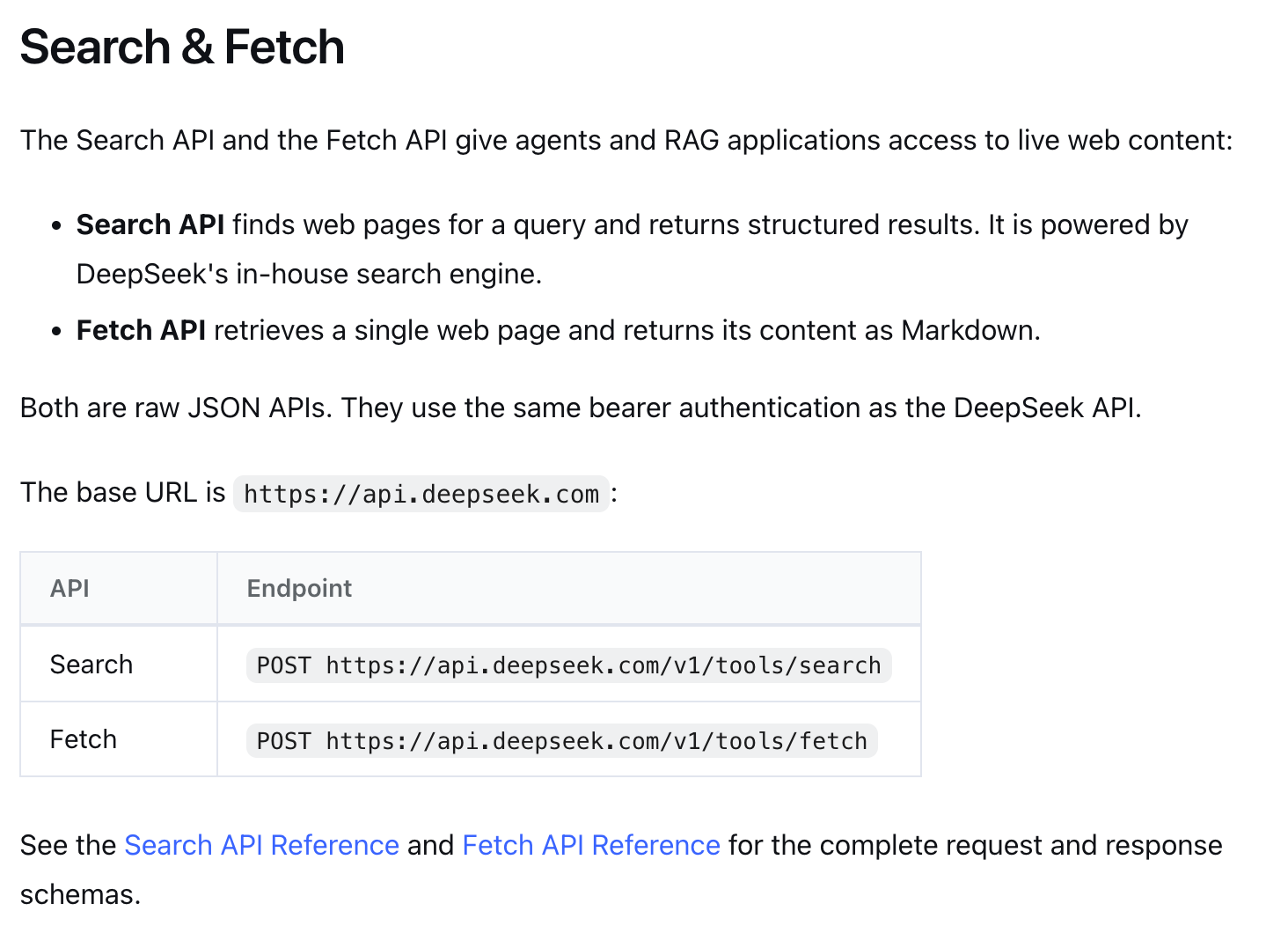
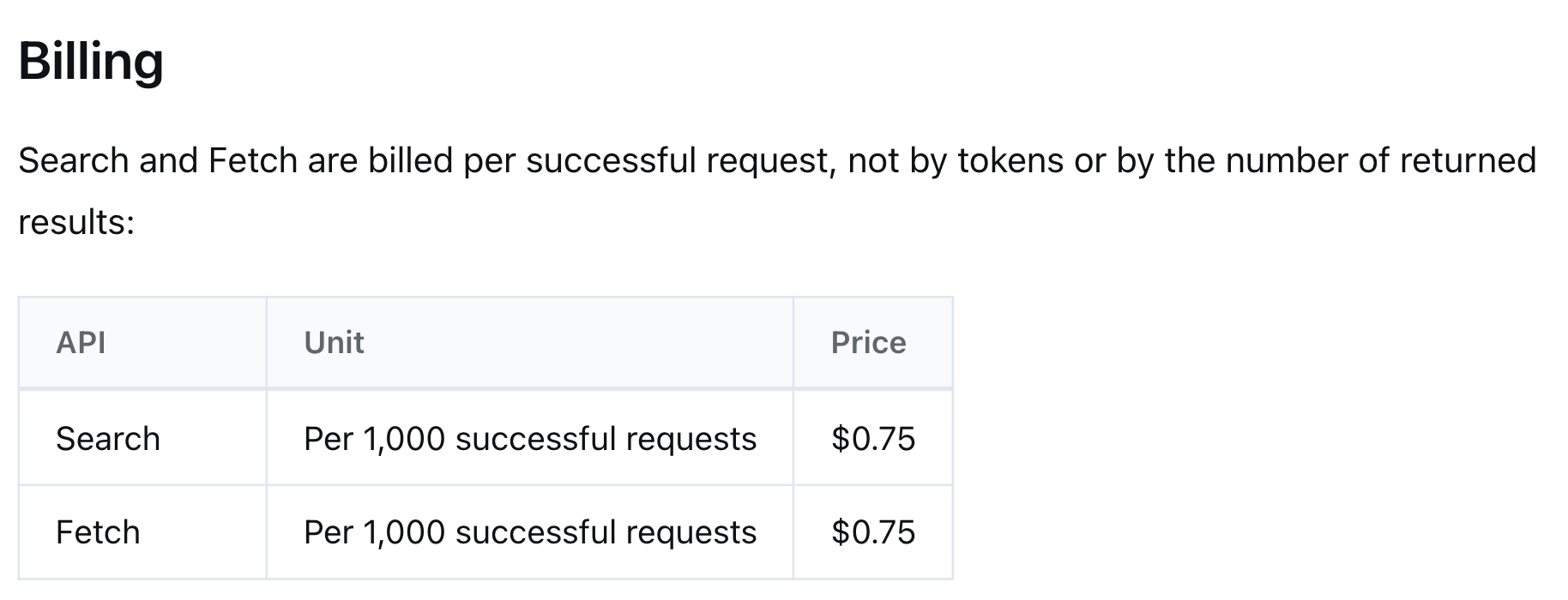
4. The search API — the quieter, bigger move. DeepSeek opened its self-built Search and Fetch APIs, each priced at RMB 5 per 1,000 calls (approx. US$0.70). The underlying index claims hundred-billion-scale coverage of global web pages, multilingual retrieval, and — notably — filtering of SEO gaming, GEO (generative-engine-optimization) manipulation, and low-quality AIGC content. Today, Search and Fetch invoked as server-side tools from DeepSeek Harness, Claude Code, or Codex are free. That ends at 00:00 Beijing time on November 1, 2026, when calls start billing per thousand.
5. Open weights, same day. V4.1-Flash-1017 is downloadable now from Hugging Face and ModelScope under MIT — no wait, no gate, no delay behind the API, and no strings on commercial use.
Five hours in: the reaction
We treat social platforms as heat measurement, not as evidence of facts — so read this section as propagation data and named individual opinions, nothing more. Within about five hours of the announcement, DeepSeek’s own launch post had drawn roughly 20K likes, 2.4K reposts, and 2.2M views, and the topic was sitting in X’s trending feed.
Three threads in the reaction are worth your attention:
The comparison chatter is already benchmark-specific. Early community assessments — e.g. from @kimmonismus and @imjustnewatai — landed on “roughly on par with Opus 5,” citing the model card’s table, with the asymmetry we detail in section 2. Some users also circulated an off-peak input price of about US$0.15 per million tokens; the model card doesn’t state pricing, so verify on DeepSeek’s pricing page before you budget around it.
The deployment joke making the rounds this morning: running 763B locally on two NVIDIA DGX Spark units. The subtext is real — an MIT-licensed 763B model at this quality tier gives private deployment a credible option, which is exactly the pressure point on Western API pricing.
The memes are about generation, not chat. The viral test of the morning came from @bijanbowen, who asked the model for a “model slug” and got a 3D model of an actual garden slug. A perfect literal-minded fail — and also the point: people are stress-testing whole-artifact generation (3D, games, repos), which is precisely the capability DeepSeek claims the self-feedback RL bought.
The model is the headline. The search API is the story.
A new Flash checkpoint would be routine — DeepSeek ships fast and often. Three things make today unusual.
First, DeepSeek is treating the harness as the product surface. The announcement doesn’t just name a model; it names three harnesses it tuned for, recommends a specific harness release version, and publishes its performance-per-cost measurement setup. When a lab co-optimizes model, harness, and eval methodology together, it is selling an agentic stack, not a chat model. That is the same playbook that made Claude Code and Codex sticky — now arriving from the price-cut side, with an MIT license as distribution.
Second, DeepSeek just posted a price floor for the search-for-agents layer. Every serious agent needs retrieval, and search has been the quiet line item in agent economics — usually a third-party dependency. At RMB 5 per 1,000 calls, DeepSeek is pricing retrieval like a utility. The anti-GEO, anti-AIGC-slop filtering claim is the part worth tracking: if the index genuinely surfaces primary sources over generated filler, that is a retrieval-quality edge, not just a price cut. If it doesn’t hold up, this is a land grab with a teaser rate. Either way, everyone pricing agent infrastructure now has a number to beat or explain.
Third — read this line again — DeepSeek infrastructure runs inside Claude Code and Codex as server-side tools. Chinese model infrastructure is already embedded in the default toolchains of Western developers, and from November 1 those developers will be paying DeepSeek, in RMB-denominated pricing, for the search layer inside them. However you feel about that, it is a fact about the market’s direction, not a prediction.
Can you use it outside China?
Open weights: yes, MIT. Hugging Face globally, ModelScope in China. Commercial use permitted by the license; run it wherever your compliance posture allows.
API: yes, via DeepSeek’s platform. Web, app, and API switched simultaneously; the announcement doesn’t restrict by geography. Standard caveat: check the platform’s current terms for your jurisdiction before production use.
Search/Fetch API: same platform, same terms — and remember the November 1 billing switch if you’re calling it through a harness.
What to do before November 1
Audit your harness configs. If you use DeepSeek Harness, upgrade to 0.2.1-rc.1 or later. If you run Claude Code or Codex with server-side tools, check whether Search/Fetch calls route through DeepSeek — after November 1 they bill at RMB 5 per 1,000.
Estimate the bill. Count your agent’s search calls per task and multiply: at RMB 5 per 1,000 calls, a million search calls run about RMB 5,000 (approx. US$700). Decide whether the free period is worth a load test now, before the meter starts.
Re-run the comparison on your own workload. The card’s table says Opus 5 still wins terminal and program-synthesis tasks; DeepSWE-style agentic work favors the new Flash at DeepSeek’s published price point. Route accordingly — and treat all of it as company-reported until your own eval says otherwise.
Benchmark the search layer against your current provider on your real query mix — especially if you operate in a vertical where primary-source retrieval matters more than volume.
Smoke-test the weights. A 763B mixed-precision release has real hardware implications; measure before you commit a lane to it.
What would change our read
Independent evals fail to reproduce the DeepSWE and Terminal-Bench gains, or the gains only appear inside DeepSeek’s own harness.
The anti-GEO/anti-AIGC filter degrades retrieval in practice — over-blocking fresh content or missing non-English primary sources.
Pricing or terms shift after November 1, or API availability tightens outside China.
The community’s “on par with Opus 5” framing collapses on independent multi-benchmark runs.
Sources and method
Primary source (Chinese, first-party): DeepSeek API docs news, October 17, 2026 — the release facts trace here.
Primary source (model card, first-party): Hugging Face — deepseek-ai/DeepSeek-V4.1-Flash-1017 — license, parameters, context length, and the benchmark table trace here. Also on ModelScope.
Propagation data: X trending feed and public post metrics, observed October 17, 2026 — used only as heat evidence and for attributed individual opinions, never as fact sources.
Facts and judgments are separated by section above; social claims are named as such. Corrections welcome — reply to this email and we’ll log the change.
AIGC.NEWS — China AI, from the inside. Verified from primary Chinese sources.